Secret Insights Into Mental Treatment for Teenage Minds: Nurturing Psychological Intelligence
Mental treatment for young adults presents distinct obstacles and opportunities. Teenagers experience substantial psychological complexity as their brains establish. Supporting psychological intelligence becomes necessary in this scenario. Therapeutic methods like Cognitive Behavior modification and Dialectical Behavior modification offer important tools. These approaches not just foster self-awareness yet also enhance empathy. Comprehending exactly how these approaches influence individual development can disclose important insights right into the psychological well-being of young minds. What lies at the intersection of therapy and emotional development?
Understanding the Teenage Brain: Advancement and Emotional Intricacy
The teen brain is a dynamic landscape, characterized by significant developmental adjustments that shape psychological actions and habits. During teenage years, the prefrontal cortex, in charge of decision-making and impulse control, undergoes essential maturation. Concurrently, the limbic system, which governs feelings, comes to be extra energetic, causing increased psychological experiences. This inequality can cause intense mood swings and impulsive activities, as the psychological center typically overshadows rational idea.
Natural chemicals like dopamine play a crucial duty in this stage, influencing satisfaction and reward-seeking habits. As teens navigate social communications and identity formation, their minds are wired to prioritize peer acceptance and psychological experiences. This period of rapid development is very important for establishing resilience and versatility, although it can also lead to obstacles in mental wellness. Comprehending these changes is essential for moms and dads, educators, and psychological health specialists as they seek to sustain teens via this complicated developmental stage.
The Importance of Emotional Knowledge in Adolescents
Recognizing the relevance of emotional knowledge during teenage years is important, as it lays the structure for effective communication, compassion, and self-regulation. Adolescents are steering a complex developmental stage characterized by changing feelings and social dynamics. Individual Therapy Toronto. Psychological knowledge equips them with the capacity to recognize and manage their sensations while additionally responding and recognizing to the feelings of others. This skillset cultivates much healthier relationships, minimizes conflict, and boosts cooperation amongst peers
In addition, psychological intelligence supports academic success by promoting durability and flexibility despite challenges. As teenagers discover to deal with stress and anxiety and setbacks, they develop a stronger sense of self-regard and identity. Cultivating emotional intelligence throughout these developmental years can lead to long-term benefits, including improved psychological wellness and health. Ultimately, focusing on psychological knowledge in teens is essential for their total growth and future social efficiency.
Efficient Restorative Methods for Teenagers
While various therapeutic approaches exist, picking one of the most reliable techniques for teens requires an understanding of their unique developing demands. Cognitive Behavior Therapy (CBT) is typically favored for its structured strategy, aiding teenagers identify and change adverse thought patterns. Dialectical Behavior Treatment (DBT) is one more effective method, especially for those having problem with emotional law, as it integrates private therapy with skills training in mindfulness and interpersonal performance.
Furthermore, art and play therapies give innovative outlets for self-expression, making treatment much more available for those that may locate verbal interaction testing. Individual Therapy For Teens. Group treatment settings can additionally help with peer links, allowing young adults to share experiences in a supportive setting. Integrating family members therapy can improve interaction and understanding within the family system, addressing dynamics that might add to the teenager's psychological battles. Ultimately, the efficiency of these strategies depends on their versatility to specific circumstances and next page requirements
Structure Strength Through Mental Therapy
Structure strength through mental therapy is vital for young adults facing different life difficulties, as it outfits them with dealing strategies and emotional tools needed to guide via difficulty. Mental therapy offers a structured environment where adolescents can explore their thoughts and feelings, facilitating a deeper understanding of themselves. Methods such as cognitive-behavioral therapy (CBT) motivate teenagers to identify negative thought patterns and change them with positive ones, cultivating a resilient frame of mind. In addition, mindfulness techniques incorporated into treatment can assist teens stay grounded during stressful situations, enhancing their ability to cope. The abilities found out via psychological therapy empower teens to come close to obstacles with self-confidence, allowing them to get better from problems. As they develop resilience, they come to be extra skilled at managing future problems, ultimately contributing to their psychological wellness and personal development. This structure of durability is essential for maneuvering the intricacies of adolescence and preparing for the adult years.
Urging Open Communication and Supportive Relationships
Just how can open up communication and encouraging connections enhance a young adult's mental wellness? Developing a culture of open dialogue cultivates depend on and emotional safety and security, allowing teenagers to share their thoughts and sensations without concern of judgment (Individual Counselling Services). This support assists them browse the complexities of adolescence, promoting durability against anxiety and anxiety
Helpful connections, whether with coaches, peers, or moms and dads, play an essential duty in a teen's growth. They offer a network of support and understanding, which is important throughout challenging times. When teens really feel listened to and valued, they are much more most likely to create healthy coping systems and psychological knowledge.
When needed, urging open interaction also empowers teens to verbalize their demands and look for aid. This proactive method can substantially reduce feelings of isolation and despair. In general, nurturing these connections furnishes teens with basic devices for psychological law and individual development, inevitably boosting their psychological health.
Often Asked Concerns
Exactly How Can Parents Determine When Their Teen Demands Therapy?
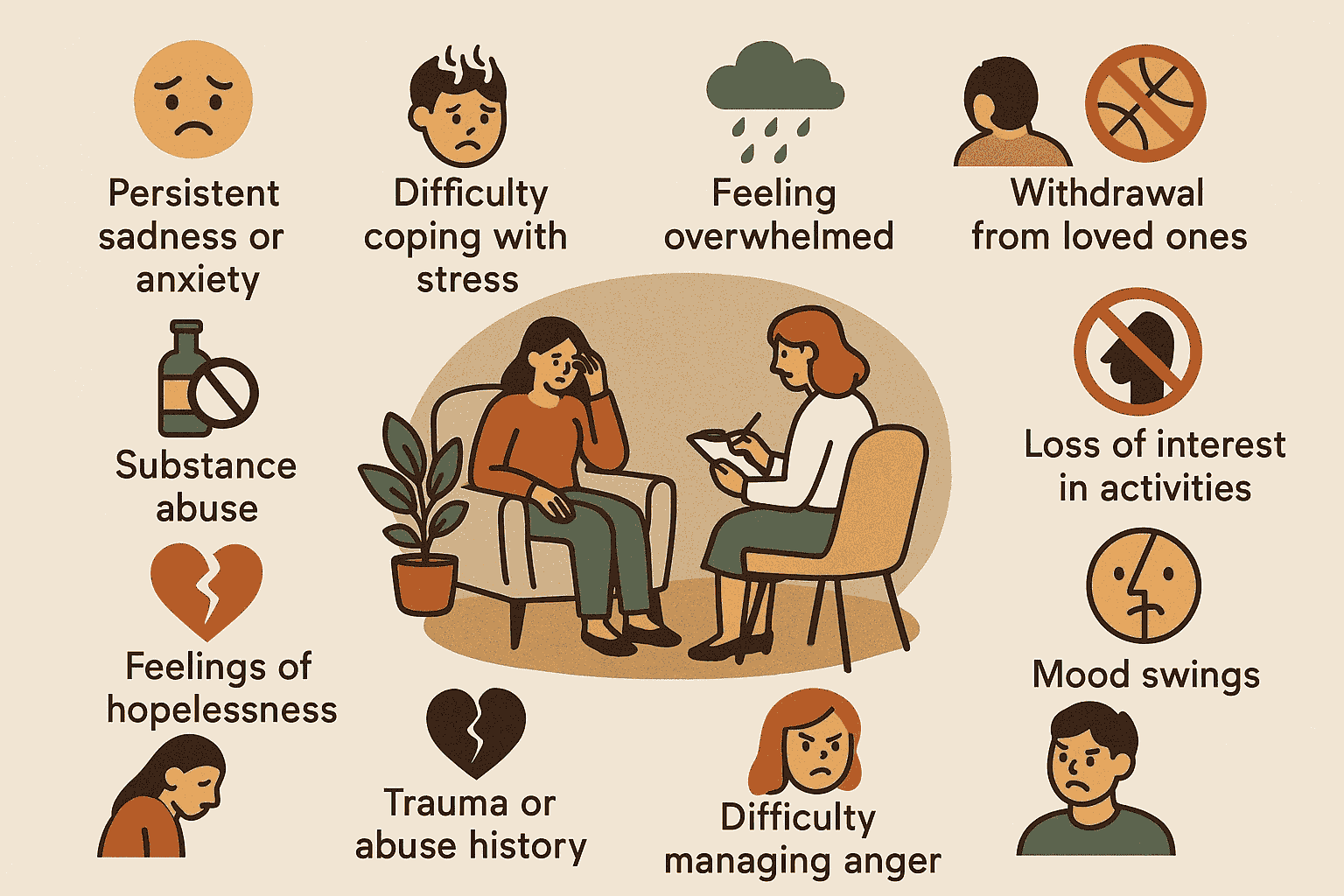
Moms and dads can identify their teenager's requirement for treatment by observing considerable modifications in habits, mood changes, withdrawal from social activities, declining scholastic performance, increased irritability, and expressions of hopelessness or anxiety that persist with time.
What Duty Does Social Media Site Play in Teen Mental Health And Wellness?
Social network significantly influences adolescent psychological health and wellness by shaping self-worth, cultivating connections, and exposing people to cyberbullying. Its effect can be both positive and negative, depending on use patterns and the nature of on the internet interactions.
Exist Certain Therapies Much Better Fit for Women or boys?
Exactly How Can Schools Assistance Mental Health And Wellness Initiatives for Pupils?
Schools can sustain mental health and wellness campaigns by executing counseling services, advertising social-emotional learning programs, offering psychological health and wellness sources, fostering an encouraging environment, and providing workshops that enlighten students on coping approaches and emotional durability.

What Are Usual Misunderstandings Concerning Teenage Therapy?
Usual misunderstandings regarding adolescent therapy include the idea that it is just for severe problems, that it shows weakness, or that teens lack the ability to involve. These misunderstandings can impede accessibility to essential mental health and wellness assistance.
Psychological therapy for teenagers provides find out here now one-of-a-kind challenges and opportunities. Restorative strategies like Cognitive Behavioral Therapy and Dialectical Habits Therapy deal beneficial devices. Additionally, read art and play therapies offer innovative electrical outlets for self-expression, making treatment extra accessible for those who may find verbal communication challenging. Incorporating household therapy can improve communication and understanding within the household system, attending to characteristics that might contribute to the teen's emotional struggles. Building resilience through mental therapy is essential for teenagers facing various life challenges, as it equips them with dealing approaches and psychological devices needed to steer through difficulty.